Compact Excavation Mastery: Maximizing Utility and Precision in Tight Working Spaces
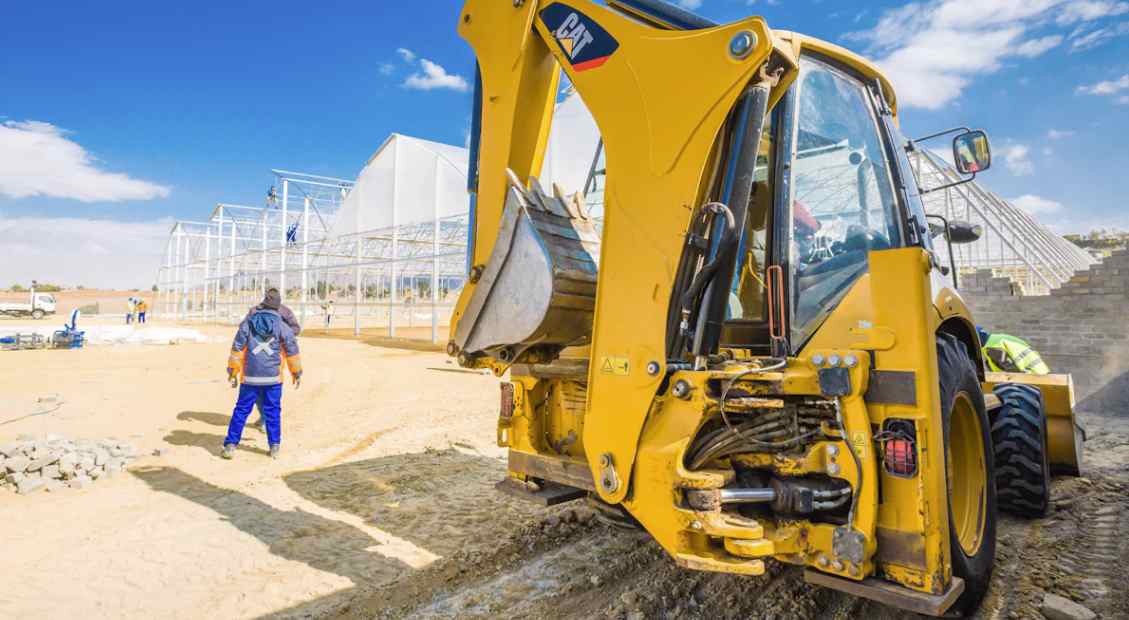
Modern urban construction, utility repair, and residential landscaping projects frequently present space constraints that prohibit the use of large, full-sized earthmoving machinery. Confined working environments require compact excavators that deliver strong breakout force, high hydraulic flow, and precise control without sacrificing stability or operator comfort. Compact excavators excel at digging tight utility trenches, installing drainage lines, shaping slopes, and excavating footings close to existing structures.
Achieving precise results in tight quarters depends on selecting equipment engineered with hydraulic angle blades, extended dipper reach, and smooth control systems. Equipment insights provided by Sniper Rentals show how a 3-ton compact excavator equipped with a hydraulic angle blade allows operators to backfill trenches quickly and grade surfaces without constantly repositioning the rubber tracks. Understanding track mechanics, hydraulic attachment operation, and fine grading techniques helps operators work efficiently in tight spaces.
Key Engineering Features of 3-Ton Class Compact Excavators
The 3-ton weight class represents the sweet spot in mini excavation, balancing light transport weight with serious digging performance.
┌──────────────────────────────────────────────────────────┐
│ 3-Ton Compact Excavator Design │
├──────────────────────────┬───────────────────────────────┤
│ Rubber Track Undercarriage│ Minimizes ground pressure and │
│ │ prevents damage to pavement. │
├──────────────────────────┼───────────────────────────────┤
│ Hydraulic Angle Blade │ Tilts 25° left or right for │
│ │ fast backfilling & grading. │
├──────────────────────────┼───────────────────────────────┤
│ Auxiliary Hydraulics │ Powers augers, hydraulic thumbs│
│ │ and breakers efficiently.│
├──────────────────────────┼───────────────────────────────┤
│ Compact Tail Swing │ Allows safe 360° rotation near│
│ │ walls and fences. │
└──────────────────────────┴───────────────────────────────┘
The Advantages of the Hydraulic Angle Blade
Traditional straight dozer blades require operators to position the excavator perpendicular to a trench when backfilling loose earth. A hydraulic angle blade can be angled up to 25 degrees left or right from the cab, allowing the excavator to drive parallel along the side of a ditch while windrowing backfill soil smoothly back into the trench in a single pass.
Auxiliary Hydraulic Flow Control
Modern mini excavators feature proportional auxiliary hydraulic circuits controlled by thumb switches on the joysticks. This allows fine hydraulic flow adjustments when running specialized attachments like hydraulic breakers for concrete demolition, earth augers for post holes, or hydraulic thumbs for placing heavy landscape boulders.
Precision Operating Techniques for Confined Sites
Working within inches of foundations, property lines, or buried utility lines requires smooth, coordinated control inputs.
- Anchor the Machine with the Blade Down: Lower the front dozer blade firmly into the soil before digging. This stabilizes the rubber tracks, lowers the center of gravity, and prevents the machine from rocking during heavy bucket pulls.
- Combine Boom, Dipper, and Bucket Movements: Smooth excavation requires blending three hydraulic functions simultaneously. Pull the dipper arm inward while curling the bucket and slowly raising the boom to create a level trench floor.
- Offset the Boom for Parallel Wall Digging: Use the foot-pedal swing boom control to pivot the excavation arm left or right independently of the house rotation. This enables straight digging directly alongside building foundations, fences, or retaining walls.
- Use Low Travel Speed on Rough Terrain: Switch the track drive motor to low-speed mode when maneuvering across slope gradients or around underground obstacles to maintain precise control.
Rubber Track Care and Jobsite Surface Protection
Mini excavators rely on continuous rubber tracks to maintain high traction while keeping ground pressure low, preventing damage to lawns, sidewalks, and asphalt driveways.
┌──────────────────────────────────────────────────────────┐
│ Rubber Track Maintenance Rules │
├──────────────────────────┬───────────────────────────────┤
│ Avoid Sharp Spins │ Perform wide, sweeping turns │
│ │ to prevent track scuffing. │
├──────────────────────────┼───────────────────────────────┤
│ Maintain Track Tension │ Check grease-adjusted tension │
│ │ sag weekly to prevent thrown │
│ │ tracks. │
├──────────────────────────┼───────────────────────────────┤
│ Clean Undercarriage Daily│ Remove packed mud, gravel, and│
│ │ debris to protect rollers. │
└──────────────────────────┴───────────────────────────────┘
Comparing Mini Excavators with Alternative Digging Equipment
| Feature | 3-Ton Mini Excavator | Compact Track Loader (w/ Backhoe) | Full-Sized Excavator |
| Max Digging Depth | 10 to 11 Feet | 6 to 8 Feet | 18 to 25+ Feet |
| Rotation Clearance | 360-Degree Swing | Limited (Fixed front chassis) | Requires large tail clearance |
| Ground Disturbance | Low (Rubber tracks) | Moderate to High | High (Steel tracks) |
| Transportability | Easy (Towed by 3/4-ton truck) | Easy (Towed by standard truck) | Requires heavy lowboy transport |
Understanding the capabilities of compact mini excavators allows operators to handle tough, precise digging projects efficiently, keeping tight jobsites safe and productive.
Copyright © Rain Stone LLC All Rights Reserved