When Can You Hire Services for Laser Profiling?
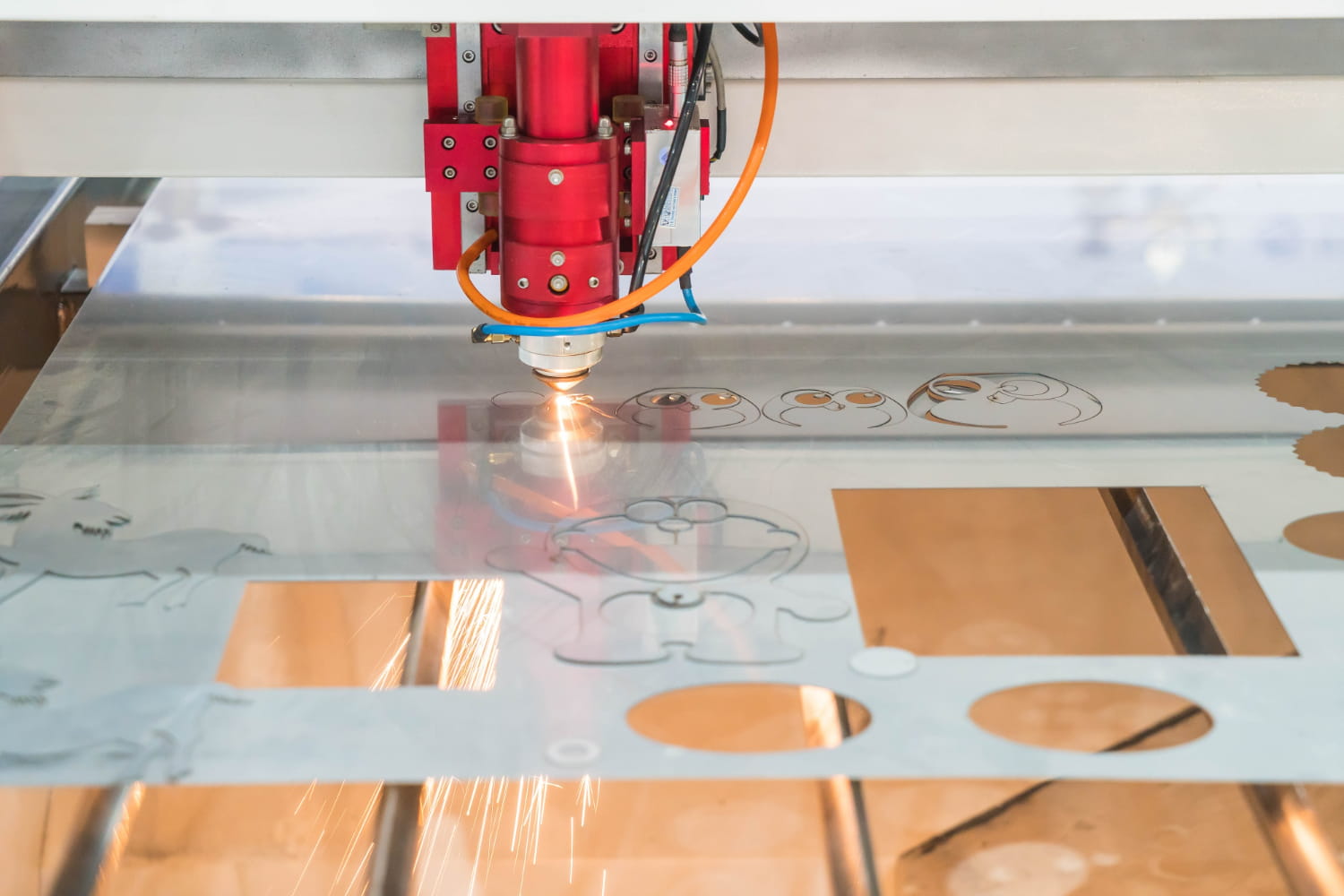
Cutting metal used to mean saws, plasma cutters, or water jets. Then laser profiling came along and changed everything. But when does it make sense to use this technology over traditional methods? More importantly, when should you actually pick up the phone and hire someone to do it?
You Need Complex Shapes Cut Accurately
If your design looks like it came from a spirograph, lasers handle it brilliantly. Intricate patterns, tight curves, internal cutouts – the beam follows your CAD file exactly. Traditional cutting methods either can’t manage these shapes or take forever trying.
Material Thickness Suits Laser Capability
Lasers excel with sheet metal up to about 25mm thick, depending on material type. Beyond that, you’re pushing the technology’s limits. For steel laser cutting specifically, anything under 20mm is the sweet spot where you get speed, quality, and cost efficiency all working together.
Edge Quality Actually Matters
Some parts get welded or painted, so a rough edge doesn’t matter. But if you’re making brackets that need to slot together precisely, or panels that’ll be visible on a finished product, laser-cut edges save hours of deburring and finishing work.
Your Quantities Are All Over the Place
Ordered five parts this month, fifty next month, then nothing for three months? Lasers don’t care. There’s minimal setup compared to stamping dies or dedicated tooling. You pay for machine time and material, not for expensive setup that only makes sense at high volumes.
Lead Times Are Tight
Traditional cutting might need jigs, fixtures, or programming that takes days. Laser cutting services can often turn jobs around in 48 hours because they’re working directly from your digital files. Faster doesn’t always mean better, but when you’re in a bind, it’s a lifesaver.
Prototyping Before Committing to Production
Testing a design before ordering thousands? Lasers let you make one piece just to see if your concept actually works. Modify the file, cut another version, iterate until it’s right. Much cheaper than discovering problems after you’ve committed to expensive tooling.
Heat Distortion Would Ruin Other Methods
Plasma cutting pumps serious heat into material, causing warping. Lasers concentrate energy in a tiny spot with minimal heat-affected zones. Thinner materials especially benefit from this precision.
You’re Working with Reflective Materials
Modern fibre lasers handle brass, copper, and aluminium without the dramas older CO2 lasers had. If you’re working with these materials, current laser technology makes the job straightforward.
Laser profiling suits projects where precision, flexibility, and clean edges matter more than raw cutting speed through thick plate. It’s not the answer for everything, but when the job fits the technology’s strengths, nothing else comes close. Check your specs against these scenarios and you’ll know whether it’s worth the call.
Copyright © Rain Stone LLC All Rights Reserved