Unveiling the Nuances: Exploring Injection Blow Moulding Machines vs. Plastic Injection Moulding Machines
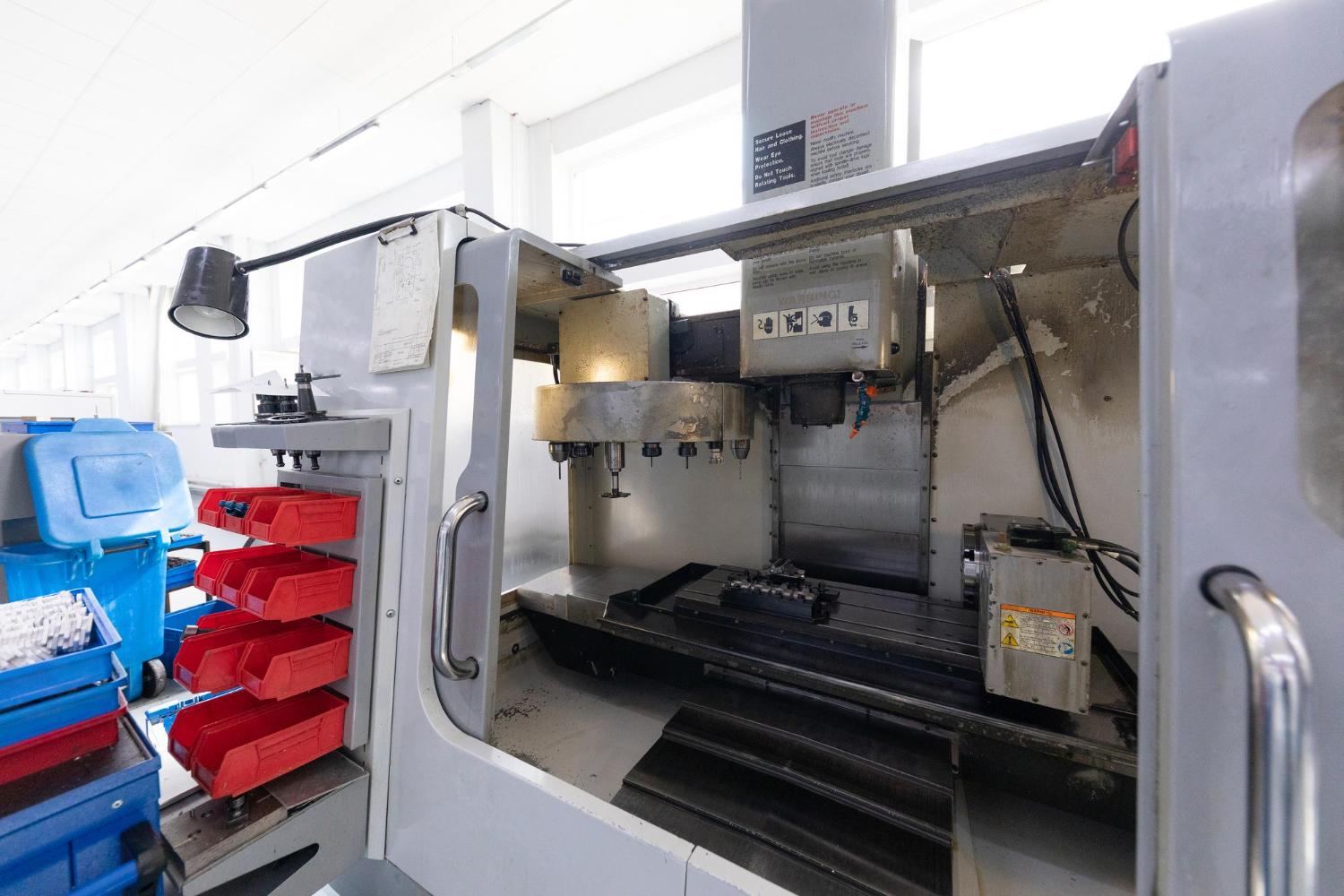
When it comes to the manufacturing of plastic parts and containers, understanding the intricacies of injection blow moulding machine and plastic injection moulding machines is crucial for optimizing production processes and achieving high-quality products. This blog post will delve into the differences between these two popular methods, helping readers make informed decisions based on their specific project needs.
What to Expect in This Exploration
The world of plastic manufacturing is diverse, with various technologies catering to different product requirements and scales of operation. This post aims to dissect the primary differences between injection blow moulding machines and plastic injection moulding machines, defining their optimal uses, advantages, and limitations. Armed with the latest industry data and insights, this comparison will serve manufacturers and entrepreneurs alike, empowering them to choose the right technology for their applications.
Understanding Injection Blow Moulding Machines
Injection blow moulding machines primarily focus on producing hollow plastic containers such as bottles, jars, and other similar items. This process involves three main stages: injection, blowing, and ejection. Initially, the machine injects molten plastic into a preform mold to create a preformed piece. This piece is then moved to a blow mold where it is inflated into its final shape. Finally, the molded product is ejected once it cools down.
This method is highly advantageous for achieving uniform wall thickness and excellent volume precision, which is essential for packaging solutions in pharmaceuticals, cosmetics, and food and beverage industries.
Overview of Plastic Injection Moulding Machines
On the other hand, plastic injection moulding machines are used for producing a wide variety of solid plastic products ranging from automotive body panels and electronic enclosures to toys. In this process, the plastic is melted and injected into a mold cavity where it cools and solidifies into the desired shape.
One of the primary benefits of using plastic injection moulding machines is their ability to produce complex and intricate designs with high precision and repeatability. This versatility makes them a popular choice in numerous industries, including medical, automotive, and consumer electronics.
Key Differences and Applications
The main distinctions between these two technologies lie in the types of products they are best suited to create. Injection blow moulding machines are ideal for mass-producing hollow objects with consistent wall thickness, while plastic injection moulding machines excel in producing solid objects with complex geometries.
Choosing between these methods depends on several factors including production volume, design complexity, and cost-effectiveness. While blow moulding is generally more economical for high-volume orders, injection moulding offers greater flexibility with design changes and materials.
Conclusion
Selecting between injection blow moulding machines and plastic injection moulding machines requires a nuanced understanding of each technology’s strengths and limitations. Manufacturers must carefully consider their product requirements, anticipated volumes, and budget constraints to make the best choice. By staying informed about the latest developments and capabilities of each moulding technique, businesses can enhance efficiency, reduce waste, and produce superior quality products tailored to market demands.
In the dynamic field of plastic manufacturing, knowledge truly is power. Equip yourself with the right information to fully harness the potential of these technologies in your next project.
Copyright © Rain Stone LLC All Rights Reserved