Safety and Efficiency: Best Practices for Using Forklifts in Queensland Workplaces
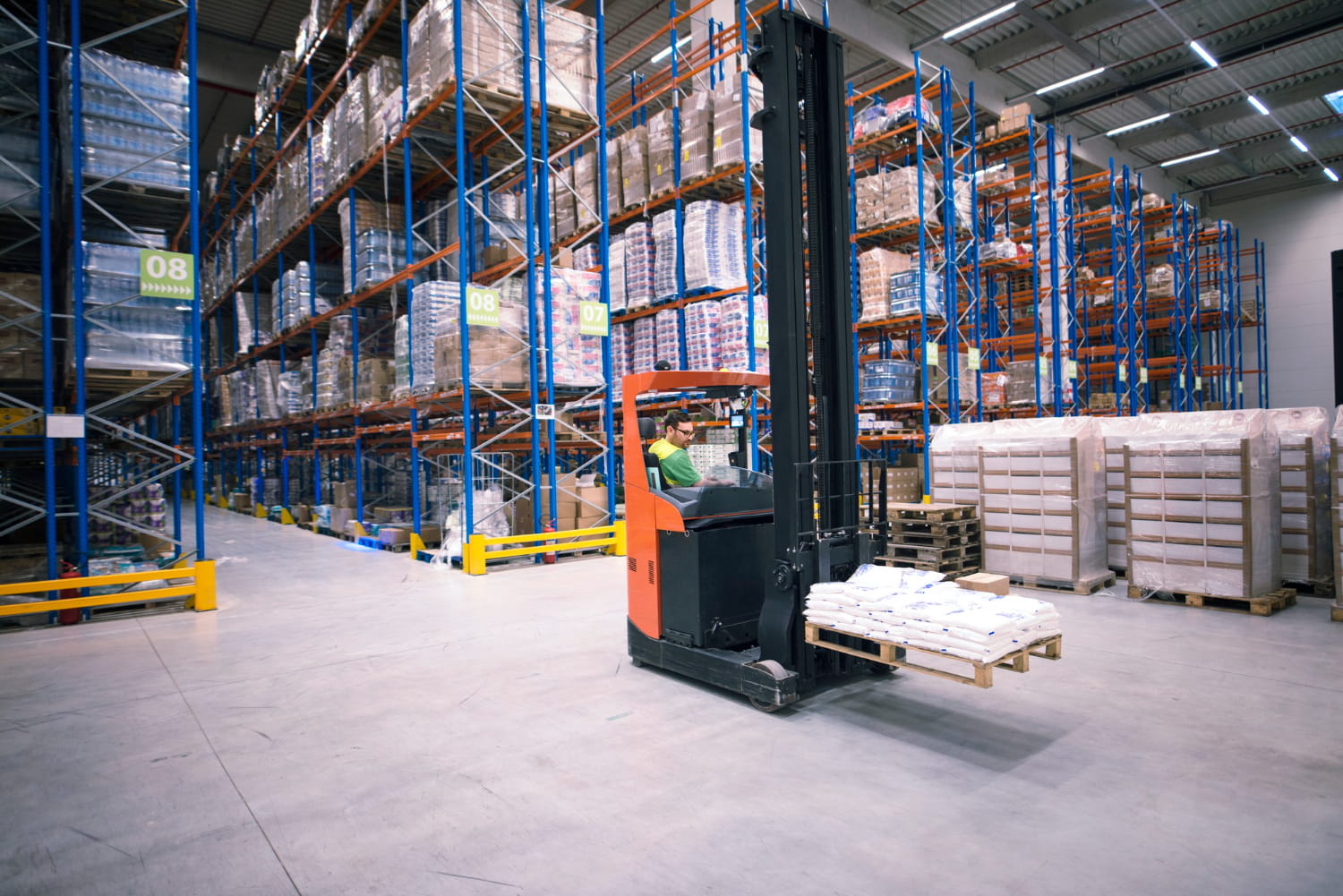
Forklifts do the heavy lifting in most Queensland warehouses and building sites, but they’re also behind some nasty workplace accidents. The trick isn’t choosing between speed and safety—you need both. Here’s what you need to know in order to use a forklift in Queensland workspace.
Training Goes Beyond the Ticket
Sure, your operators need their High Risk Work Licence. That’s the law in Queensland. But the real learning happens on your actual site. Generic training doesn’t teach someone how to navigate your specific warehouse layout or deal with that awkward loading dock everyone complains about.
Pre-Shift Checks Aren’t Busywork
Yeah, it feels tedious checking the same things every morning. But a quick look at brakes, steering, tyres, and hydraulics catches the stuff that’ll strand you mid-shift or worse. Takes five minutes and beats explaining to WorkCover why someone got hurt.
Don’t Push the Weight Limits
The capacity plate tells you what the machine can handle. Going over that because “it’ll be right” is gambling with physics. Overloaded forklifts tip easier, especially on uneven ground. If you’re constantly maxing out capacity, you’ve got the wrong equipment.
Pedestrians Always Lose
Doesn’t matter if you’ve got right of way or if someone’s wandered where they shouldn’t be. A used forklift versus a person ends badly every time. Slow down near foot traffic, use your horn at blind corners, and if you can’t see—stop and check.
Load Stability Matters More Than You Think
Dodgy stacking jobs shift during transport. That pallet wobbling on the forks? It’s going to fall eventually. Centre your loads, tilt the mast back slightly, and strap things down when needed. Rushing this bit causes most of the dropped-load incidents.
Keep Your Aisles Clear
Random pallets, rubbish, or equipment left in traffic lanes create hazards. Mark out where forklifts go and where people walk. Proper separation prevents the accidental collisions that happen when everyone’s sharing the same cramped space.
Maintenance Schedules Exist for Reasons
Skipping services because things seem fine is short-term thinking. Parts wear out gradually until they don’t—they just fail. Stick to scheduled maintenance and fix small issues before they become expensive breakdowns or safety problems.
Listen When People Raise Concerns
The operator who mentions the steering feels loose? Pay attention. Near-misses that get reported? Look into them. When workers feel heard rather than brushed off, they’ll tell you about problems while they’re still fixable.
Queensland workplaces that run forklifts well don’t obsess over rulebooks—they focus on practical habits that keep people safe whilst getting work done.
Copyright © Rain Stone LLC All Rights Reserved